

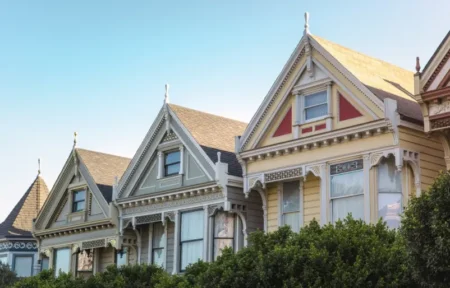
Choosing a roof is not just about appearance. It is a structural decision that affects durability, energy efficiency, maintenance, and long-term cost. Different roofing systems are designed for different climates, budgets, and architectural styles. What works well in one region may perform poorly in another. A professional approach to roofing always starts with understanding how each material behaves over time, not just how it looks when it is new.
Asphalt Shingles The Most Common And Practical Option
Asphalt shingles remain the most widely used roofing material, especially in residential construction. They are popular because they offer a balance between cost, performance, and ease of installation. These shingles are made from a fiberglass or organic base coated with asphalt and mineral granules, which provide protection from weather and UV exposure.
Their main advantage is accessibility. They are relatively inexpensive, easy to replace, and adaptable to many roof shapes. However, they have a shorter lifespan compared to premium materials, typically lasting between 15 and 30 years depending on quality and conditions. They are also more vulnerable to extreme heat and strong winds, which can cause gradual deterioration.
Metal Roofing Durability And Energy Efficiency
Metal roofing has become increasingly popular due to its longevity and performance. It is typically made from steel, aluminum, or other alloys designed to resist corrosion. One of its key advantages is durability. A properly installed metal roof can last 40 to 70 years, significantly longer than traditional shingles.
Metal reflects sunlight, which reduces heat absorption and improves energy efficiency in warmer climates. It also performs well under heavy rain and snow because water sheds easily from its surface. The main disadvantages are higher upfront cost and noise during heavy rain if not properly insulated. Installation also requires specialized expertise.
Tile Roofing Longevity And Structural Weight
Tile roofing, often made from clay or concrete, is known for its durability and distinctive appearance. It is commonly used in warmer climates and regions with Mediterranean-style architecture. Tile roofs can last over 50 years and are highly resistant to fire and weather damage.
However, they are significantly heavier than other materials. This means the underlying structure must be strong enough to support the load. Installation is more complex, and repairs can be more expensive if tiles crack. Despite this, their long lifespan often offsets the higher initial investment.
Wood Shingles And Shakes Natural Aesthetic With Higher Maintenance
Wood roofing provides a natural and traditional look that many homeowners prefer. Shingles are typically machine-cut for a uniform appearance, while shakes are hand-split and more textured.
Wood offers good insulation properties and can perform well in moderate climates. However, it requires regular maintenance to prevent issues like moisture damage, mold, or insect activity. It is also less fire-resistant unless treated. Over time, exposure to weather can cause splitting or warping, which reduces its lifespan compared to more durable materials.
Flat Roofing Systems Modern Design And Functional Use
Flat roofs are commonly used in modern architecture and commercial buildings, but they are also found in residential homes. These systems often use materials like modified bitumen, rubber membranes, or synthetic layers designed to create a waterproof barrier.
The main advantage of flat roofs is usability. They can be used for additional space, such as terraces or equipment placement. However, they require precise installation and regular maintenance because water does not run off as easily as on sloped roofs. Drainage becomes a critical factor, and poor design can lead to water accumulation and leaks.
How Climate And Environment Influence The Best Choice
No roofing material is universally the best. Climate plays a major role in performance. In hot regions, reflective materials like metal reduce heat absorption. In areas with heavy rainfall, materials that shed water efficiently are essential. Cold climates require systems that handle snow load and prevent ice buildup.
Choosing the right roof means aligning material properties with environmental conditions. Ignoring this factor often leads to premature wear and higher maintenance costs.
What A Professional Roofing Decision Looks Like
A well-chosen roof is not just durable, it is balanced. It fits the structure, the climate, and the long-term expectations of the homeowner. Instead of focusing only on initial cost or appearance, a professional decision considers lifespan, maintenance, and performance under real conditions.
When these factors align, the roof becomes a stable system that protects the home without constant attention. That is the goal of any properly selected roofing solution.
Picture Credit: Magnific