

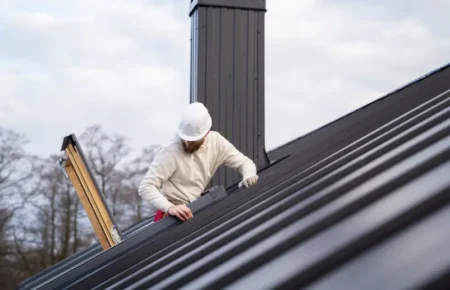
Metal roofs are known for durability and long lifespan, but that does not mean they are maintenance-free. Over time, even high-quality systems can develop issues, especially if installation was not done correctly or the roof is exposed to harsh conditions. Most problems don’t appear suddenly. They build gradually and become noticeable only when performance starts to drop. Understanding these issues early helps prevent more expensive repairs later.
Why Leaks Happen Even On Metal Roofs
A metal roof itself is highly resistant to water, but leaks usually occur at connection points. Seams, fasteners, and areas around vents or chimneys are the most vulnerable. Over time, expansion and contraction from temperature changes can loosen these connections.
The solution depends on the cause. Loose fasteners need to be tightened or replaced, while damaged sealants should be reapplied. In some cases, seams require resealing or reinforcement. The key is identifying the exact entry point rather than treating the visible leak inside the house.
How Rust And Corrosion Develop Over Time
Metal roofing is designed to resist corrosion, but protective coatings can wear down. When this happens, moisture and air start affecting the surface. Small rust spots may appear first, especially in areas with high humidity or salt exposure.
Early treatment is important. Light corrosion can be cleaned and treated with protective coatings to stop further damage. If rust spreads deeply, sections of the roof may need replacement. Preventive maintenance, including periodic inspection and coating renewal, significantly extends lifespan.
Why Fasteners Become A Common Weak Point
Fasteners hold the entire system together, but they are also one of the first components to fail. Screws can loosen due to vibration, thermal movement, or natural wear of sealing washers. Once this happens, small gaps allow water to enter.
Replacing worn fasteners with high-quality ones and ensuring proper sealing solves this issue. In many cases, upgrading fasteners during maintenance improves the overall stability of the roof.
What Causes Noise And How To Reduce It
One of the common complaints about metal roofs is noise during rain or temperature changes. This usually happens when the roof lacks proper insulation or underlayment. The metal itself amplifies sound if there is no buffer layer beneath it.
Adding or improving insulation reduces noise significantly. A well-installed system with proper layers should not create excessive sound. Noise is often a sign of incomplete or outdated installation rather than a flaw in the material.
How Thermal Expansion Affects Metal Roofing
Metal expands and contracts with temperature changes. This is a natural property, but if the system is not designed to accommodate movement, it can cause stress. Over time, this may lead to loosened seams, warped panels, or damaged fasteners.
Modern installation techniques include flexible connections and spacing that allow movement without damage. If problems appear, adjustments to fastening systems or panel alignment may be required to restore proper function.
Why Poor Installation Causes Most Problems
Many issues with metal roofs are not caused by the material itself, but by installation errors. Incorrect spacing, improper sealing, or low-quality components can lead to early failure.
Fixing these problems often requires more than surface repair. It may involve reworking sections of the roof to meet proper standards. This is why professional installation and inspection are critical for long-term performance.
What A Well Maintained Metal Roof Looks Like
A properly maintained metal roof performs quietly and consistently. Water flows off easily, surfaces remain intact, and there are no visible signs of stress or corrosion.
When issues are addressed early and maintenance is consistent, metal roofing remains one of the most reliable systems available. The goal is not just to fix problems when they appear, but to keep the entire structure working as intended for decades.
Picture Credit: Magnific