

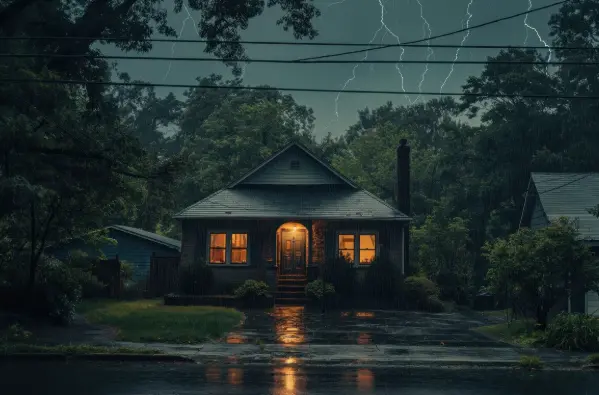
One of the most common things people search about roofs is simple and urgent. The roof starts leaking after heavy rain. You notice a stain on the ceiling, a drip in the attic, or moisture near walls. It feels sudden, but in most cases the problem has been building for a while. The rain just exposes it. A roof is designed to handle water, so when it fails, it usually means something in the system is already weakened.
Where Roof Leaks Usually Start
Leaks rarely come from the middle of the roof. They usually begin at weak points. Areas around chimneys, vents, skylights, and edges are the most vulnerable. These spots rely on flashing, which is a thin layer of material that seals transitions. Over time flashing can loosen, crack, or shift slightly. Once that happens, water finds a way in. Shingles can also become damaged or lifted by wind, creating small openings where moisture can enter.
Why Leaks Appear During Heavy Rain
Light rain may not reveal a problem because water flows gently over the surface. Heavy rain is different. It pushes water into small gaps and weak areas that normally stay dry. If drainage is not working properly, water may also pool on the roof. Standing water increases pressure on materials and makes it easier for moisture to get through. That is why leaks often appear suddenly during storms, even if the roof seemed fine before.
How To Recognize Early Warning Signs
Leaks rarely start without warning. The signs are just easy to miss. You might see small dark spots on ceilings, peeling paint, or a faint musty smell in certain areas. In the attic you may notice damp insulation or slight discoloration on wooden structures. Outside, damaged or missing shingles are a clear signal. Catching these signs early can prevent a much bigger problem later.
Why Quick Fixes Often Don’t Solve The Problem
When a leak appears, the first instinct is to patch the visible spot. That can stop water temporarily, but it does not always address the source. Water often travels along surfaces before it becomes visible inside the house. The place where you see the leak may not be where it started. That is why quick fixes sometimes fail after the next rain. Proper repair means identifying the actual entry point and restoring the full roofing system, not just covering symptoms.
How To Prevent Future Leaks
Prevention is much easier than repair. Regular inspections help identify weak areas before they fail. Cleaning gutters ensures water flows away from the roof instead of backing up. Replacing damaged shingles and maintaining flashing keeps the system sealed. Even small maintenance steps can extend the life of the roof and reduce the risk of sudden leaks during storms.
What A Healthy Roof Should Do
A well-functioning roof does its job quietly. Water flows off smoothly, materials stay in place, and you don’t think about it at all. When problems appear, they often come from small issues that were ignored for too long. Paying attention to early signs and maintaining the system keeps everything working the way it should. The goal is not just to fix leaks when they happen, but to prevent them from starting in the first place.
Picture Credit: Freepik