

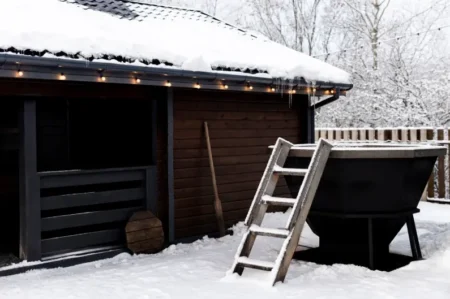
 Winter exposes every weak point your roof has. The cold, the moisture, the weight of snow — they all push the structure harder than any other season. Small issues that stayed quiet in summer suddenly become loud. A tiny crack turns into a leak. A loose shingle starts lifting. A clogged gutter overflows and freezes.
Your roof feels winter more than you do. And if it’s not ready, the problems spread fast.
Snow Puts Real Weight on the Structure
Snow looks soft, but it’s heavy. When it piles up, the weight pushes on rafters, shingles and joints. Older roofs feel it first. Even a small accumulation can start bending weak spots.
When the weight is too much, you notice subtle signs: doors inside stop closing smoothly, the ceiling creaks, or the roofline looks slightly uneven. Most people ignore these hints, but they matter. Snow load is one of the biggest winter stressors, and your roof has to carry it without giving in.
Ice Dams Create Leaks Where You Least Expect Them
Ice dams happen when warm air escapes from your home and melts the snow on top. The water runs down, hits the cold edge of the roof and freezes. That ice builds a wall, and every new melt has nowhere to go. The water backs up and slips under the shingles.
The leak doesn’t appear at the edge — it shows up inside the house. Wet spots on ceilings. Drips around windows. Cold drafts where everything used to feel sealed.
Ice dams aren’t just annoying. They’re destructive. They show that the attic insulation or ventilation isn’t doing its job.
Freeze-Thaw Cycles Tear Roofs Apart
Winter creates a pattern that’s brutal for roofing materials: freeze, melt, refreeze. Water seeps into tiny gaps during the day, freezes at night and expands. The expansion widens the gap. Then it happens again. And again.
Shingles crack. Sealant breaks apart. Flashing lifts. The damage grows quietly until one warm afternoon creates a sudden, obvious leak.
You can’t stop the weather, but you can strengthen the roof before the cycle begins.
Gutters Struggle More Than You Think
Gutters don’t just move water. They protect the entire edge of your roof. When they fill with ice, they stop draining. When they sag under weight, they pull on the fascia. When they clog with leaves, melting snow has nowhere to go.
In winter, a blocked gutter becomes a mini flood. Water runs down exterior walls or slips under the shingles. You see stains, icicles, mold, or warped siding — all starting from one simple blockage.
Small Cracks Become Big Problems
Tiny openings around chimneys, vents or skylights become entry points for winter moisture. You don’t notice them in dry seasons, but winter pushes water into every gap. Cold tightens some materials and loosens others. The movement creates space where water settles.
A small gap today becomes structural damage tomorrow. Winter accelerates everything.
Why Prevention Matters More Than Emergency Fixes
Roof repairs in winter cost more and stress you more. Snow hides problem areas. Ice makes surfaces unsafe. Cold slows down sealants and increases labor time. If something breaks mid-season, the repair might be temporary until spring.
That’s why a pre-winter inspection makes such a difference. Clean gutters. Check shingles. Test attic ventilation. Fix small cracks. Strengthen flashing. These small steps prevent most winter disasters.
A Healthy Roof Makes Winter Easier
Your roof is the first line of defense when winter hits. When it’s strong, you feel protected. You sleep without worrying about leaks, drafts or sudden stains on the ceiling. You don’t wake up wondering if the snowstorm caused hidden damage.
A winter-ready roof gives you peace — real, calm peace — because you know the structure above you can handle whatever the season brings. Winter will test it anyway. The better the roof is prepared, the smoother your winter will feel.
Picture Credit: Freepik