

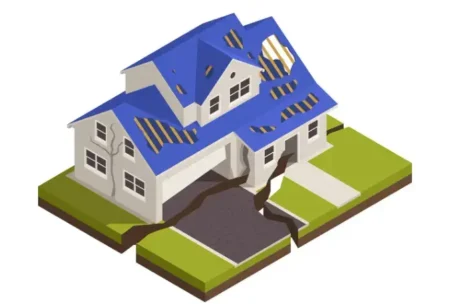
Many homeowners assume a roof should last decades without major issues. Technically that can be true, but Florida creates conditions that age roofing systems much faster than people realize. Heat, humidity, storms, salt air, and constant UV exposure place continuous stress on roofing materials year-round. Even high-quality roofs can deteriorate quickly if ventilation, maintenance, or installation quality are not handled properly.
Why Florida Sun Damages Roofing Materials So Aggressively
Florida roofs experience intense ultraviolet exposure almost every day. Over time, UV radiation slowly breaks down roofing materials at a chemical level.
Shingles begin losing flexibility, protective granules wear away, and surfaces become more brittle under continuous heat expansion. This aging process happens gradually, which is why many homeowners do not notice damage until leaks or visible deterioration appear much later.
How Heat Expansion Weakens Roof Structures
Roofing systems constantly expand during the day and contract again at night. In Florida’s climate, these temperature fluctuations happen continuously for most of the year.
Over time this movement stresses seals, flashing, fasteners, and material joints. Small weaknesses slowly widen, creating openings where moisture eventually enters beneath the roofing surface.
Why Humidity Creates Hidden Roofing Problems
Humidity affects more than comfort. Trapped moisture inside roofing systems can damage insulation, attic structures, and underlayment long before leaks become visible inside the house.
Poor ventilation often makes this worse because humid air cannot escape efficiently. Warm moisture becomes trapped beneath the roof structure, creating ideal conditions for mold growth and gradual wood deterioration.
The Salt Air Problem Near Florida’s Coastline
Coastal homes face additional pressure from salt exposure. Salt particles carried through the air accelerate corrosion on metal roofing components, flashing, fasteners, and structural connectors.
This process may appear slowly at first, but over time corrosion weakens the integrity of important roofing elements that protect the system from water intrusion.
Why Storm Damage Is Not Always Obvious
Many homeowners only think about roof damage after major hurricanes. But smaller storms also create cumulative stress over time. Strong wind uplift can loosen shingles, weaken seals, and shift roofing materials slightly without creating immediate visible damage.
Water intrusion often begins later through these weakened areas, especially during repeated storm seasons.
How Delayed Repairs Shorten Roof Lifespan
Small roofing issues rarely stay small in Florida’s climate. Minor leaks, damaged flashing, or missing shingles allow moisture and heat to penetrate deeper into the system quickly.
Because of constant humidity and rainfall exposure, deterioration accelerates once protective barriers are compromised. Delaying repairs often transforms manageable maintenance into large structural restoration projects later.
Why Roof Maintenance Matters More In Florida
In some climates, roofs can survive long periods without inspection. Florida is not one of them. The environment itself continuously pressures roofing systems from multiple directions at once.
Regular inspections help identify ventilation issues, moisture buildup, weakened materials, and early storm damage before they evolve into major failures.
What A Healthy Florida Roof Actually Does
A properly maintained Florida roof does much more than block rain. It regulates heat, manages airflow, protects structural integrity, and helps stabilize the entire home environment under extreme climate conditions.
When the roofing system functions correctly, the house feels cooler, safer, and more energy efficient. Most importantly, the roof withstands Florida’s harsh environment without quietly deteriorating year after year behind the scenes.
Picture Credit: Magnific